Pool Repair

8 Signs Your Swimming Pool Needs Professional Repair

Swimming pools are designed to circulate, filter and treat thousands of litres of water every day. When everything is operating correctly, you may barely think about the equipment working behind the scenes.

But when something goes wrong, small changes can quickly become noticeable.

Maybe the pump suddenly sounds different. Perhaps the heater isn’t reaching the desired temperature. You may notice weaker circulation, cloudy water or a water level that seems to drop faster than usual.

Knowing when to call for professional pool repair in Vancouver can help prevent a small problem from becoming a much larger and more expensive one.

Here are eight warning signs pool owners shouldn’t ignore.

1. Your Pool Pump Is Making Unusual Noises

A pool pump normally produces a consistent operating sound.

If you suddenly hear:

  • Grinding
  • Screeching
  • Rattling
  • Humming
  • Excessive vibration
  • A noticeably louder motor

something may need attention.

Possible issues can range from debris and restricted water flow to worn internal components or motor problems.

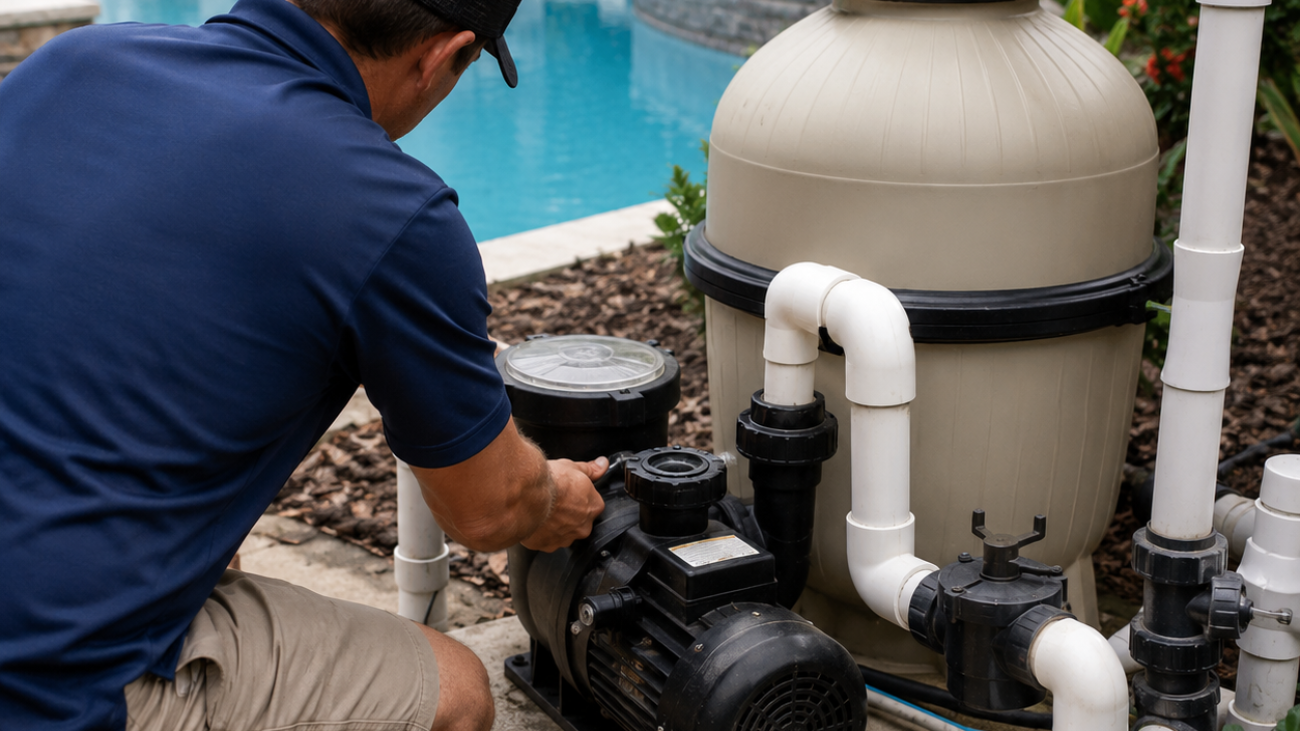
A pump is one of the most important parts of your pool system because it keeps water circulating through the filter, heater and sanitation equipment.

Continuing to operate a pump that is clearly struggling may lead to additional damage.

If your pump suddenly sounds different, having it inspected early is usually better than waiting for complete failure.

2. Water Isn’t Circulating Properly

Stand near your pool returns while the system is running.

Does the water flow seem weaker than usual?

Poor circulation can make it difficult for your pool to properly filter water and distribute sanitizer.

Potential causes can include:

  • Clogged baskets
  • Dirty filters
  • Blocked plumbing
  • Low water levels
  • Air entering the system
  • Valve problems
  • Pump issues

Weak circulation can eventually contribute to cloudy water or algae because the filtration and sanitation systems cannot operate effectively.

A professional pool technician can inspect the circulation system and identify where the restriction or equipment problem is occurring.

3. Your Pool Water Keeps Turning Cloudy

Cloudy water isn’t always a simple cleaning problem.

If you’ve cleaned the pool and adjusted the water chemistry but clarity continues to deteriorate, there may be an underlying filtration or circulation issue.

Possible causes include:

  • Poor filtration
  • Inadequate circulation
  • A dirty or damaged filter
  • Chemical imbalance
  • Excess contaminants
  • Equipment that is not running long enough
  • Pump performance problems

Instead of repeatedly adding chemicals, it’s often better to determine why the pool isn’t staying clear.

Professional diagnosis can help distinguish a water chemistry issue from a mechanical problem.

4. Your Pool Heater Isn’t Heating Properly

A pool heater can make a major difference in Vancouver, where homeowners often want to extend the comfortable swimming season beyond the hottest weeks of summer.

Common heater symptoms include:

  • Heater won’t start
  • Water isn’t reaching the desired temperature
  • Heater repeatedly shuts down
  • Error messages appear
  • Heating takes significantly longer than normal
  • Unusual sounds occur during operation

Heater issues can involve several components and should generally be diagnosed by someone familiar with pool equipment.

Because heating systems may involve electricity or gas, attempting random repairs without appropriate knowledge is not recommended.

5. You’re Constantly Adding Water to the Pool

Every swimming pool naturally loses some water through evaporation and splash-out.

However, repeatedly adding a significant amount of water may indicate a leak.

Possible leak locations include:

  • Pool plumbing
  • Equipment connections
  • Pumps
  • Filters
  • Heaters
  • Valves
  • Pool fittings
  • Skimmers
  • The pool shell or liner

Leaks shouldn’t be ignored.

Beyond wasting water, a continuing leak can potentially affect surrounding areas or place additional stress on the pool system.

If your pool level is dropping noticeably faster than expected, professional leak investigation may be appropriate.

6. You See Water Around Your Pool Equipment

The equipment area should not normally have unexplained water accumulating around it.

Check periodically around:

  • Pumps
  • Filters
  • Heaters
  • Plumbing connections
  • Valves
  • Unions

Small drips may seem harmless but can worsen over time.

Leaks can also expose equipment to moisture and make it more difficult to determine where water loss is actually occurring.

Finding and addressing equipment leaks early can help prevent more complicated repairs.

7. Your Filter Pressure Has Changed

Your pool’s pressure gauge provides useful information about what’s happening inside the filtration system.

A pressure reading that is noticeably higher or lower than your pool’s normal operating range can indicate a problem.

High pressure can sometimes suggest restricted flow through the filter.

Unexpectedly low pressure may point toward circulation problems elsewhere in the system.

Because every pool configuration is different, the important thing is understanding your system’s normal operating behaviour and noticing when it changes.

8. Your Pool Equipment Keeps Turning On and Off

Equipment that repeatedly cycles, unexpectedly shuts down or fails to follow its normal schedule may require professional diagnosis.

This can affect:

  • Pumps
  • Heaters
  • Automation systems
  • Sanitization equipment

Intermittent problems can be particularly frustrating because the system may work normally during one inspection and fail later.

Tracking when the problem occurs and noting any error messages can help a technician diagnose the issue more efficiently.

Repair or Replace: Which Is Better?

One of the most common questions homeowners have is whether damaged pool equipment should be repaired or replaced.

There is no single answer.

A technician may consider:

  • Age of the equipment
  • Type of failure
  • Availability of replacement parts
  • Cost of repair
  • Efficiency of the existing equipment
  • Condition of surrounding components
  • Frequency of previous repairs

Repairing a relatively new pump with a straightforward problem may make perfect sense.

Repeatedly repairing older equipment approaching the end of its useful life may not.

A professional assessment can help determine which option offers better long-term value.

Why Preventive Pool Maintenance Can Reduce Repairs

Many emergency pool repairs begin as smaller problems.

During routine maintenance, a technician may notice changes such as:

  • Unusual pump noise
  • Small leaks
  • Filter pressure changes
  • Reduced circulation
  • Heater performance issues
  • Damaged fittings
  • Developing water-quality problems

Catching these issues early can often reduce the chance of unexpected equipment failure during the swimming season.

This is one reason professional maintenance and professional repair work together.

Maintenance helps identify problems.

Repair corrects them before they become worse.

Don’t Ignore Small Pool Leaks

Small leaks deserve special attention because they may remain unnoticed for weeks.

A homeowner may simply assume additional water is being lost through evaporation.

Meanwhile, the leak may slowly become larger.

Warning signs can include:

  • Falling water level
  • Wet areas around equipment
  • Air entering the pump
  • Difficulty maintaining water chemistry
  • Increased water usage
  • Damp areas around the pool

If you suspect a leak, having the pool inspected can help determine whether water loss is normal or requires repair.

Why Professional Diagnosis Matters

Modern pools may include interconnected:

  • Pumps
  • Filters
  • Heaters
  • Salt systems
  • Automation
  • Plumbing
  • Valves
  • Lighting
  • Water features

A symptom in one component may actually originate somewhere else.

For example, weak return flow doesn’t automatically mean the pump needs replacement.

The actual problem might involve a clogged filter, blocked line, valve position or another circulation issue.

Good pool repair begins with accurate diagnosis.

Professional Pool Repair in Vancouver

When your pool isn’t performing the way it should, guessing at the problem can waste both time and money.

Sunrise Pool Maintenance & Repair provides professional pool troubleshooting, maintenance and repair services in the Vancouver area.

Whether you’re dealing with circulation problems, equipment issues, leaks or an unexpected pool problem, we can inspect the system and help determine the appropriate solution.

Need Pool Repair?

Don’t wait until a small pool problem becomes a major repair.

Contact Sunrise Pool Maintenance & Repair to request pool service or repair in Vancouver and surrounding areas.

Frequently Asked Questions

How do I know if my pool pump needs repair?

Unusual sounds, weak circulation, leaking water, difficulty starting or unexpected shutdowns can all indicate that the pump should be inspected.

Why isn’t my pool heater working?

Pool heaters may stop operating for many reasons, including water-flow problems, control issues or problems within the heater itself. Professional diagnosis is recommended.

Should I repair or replace my pool equipment?

It depends on equipment age, condition, repair cost and the type of failure. A professional technician can help compare the long-term value of repair versus replacement.

Why is there air in my pool pump?

Air entering the circulation system may indicate an issue somewhere on the suction side of the system, low water level or another problem requiring investigation.

Who provides pool repair in Vancouver?

Sunrise Pool Maintenance & Repair provides professional pool maintenance, troubleshooting and repair services for customers in the Vancouver area.
Pool Maintenance

Pool Maintenance in Vancouver: A Complete Guide to Keeping Your Pool Clean, Safe & Ready to Swim

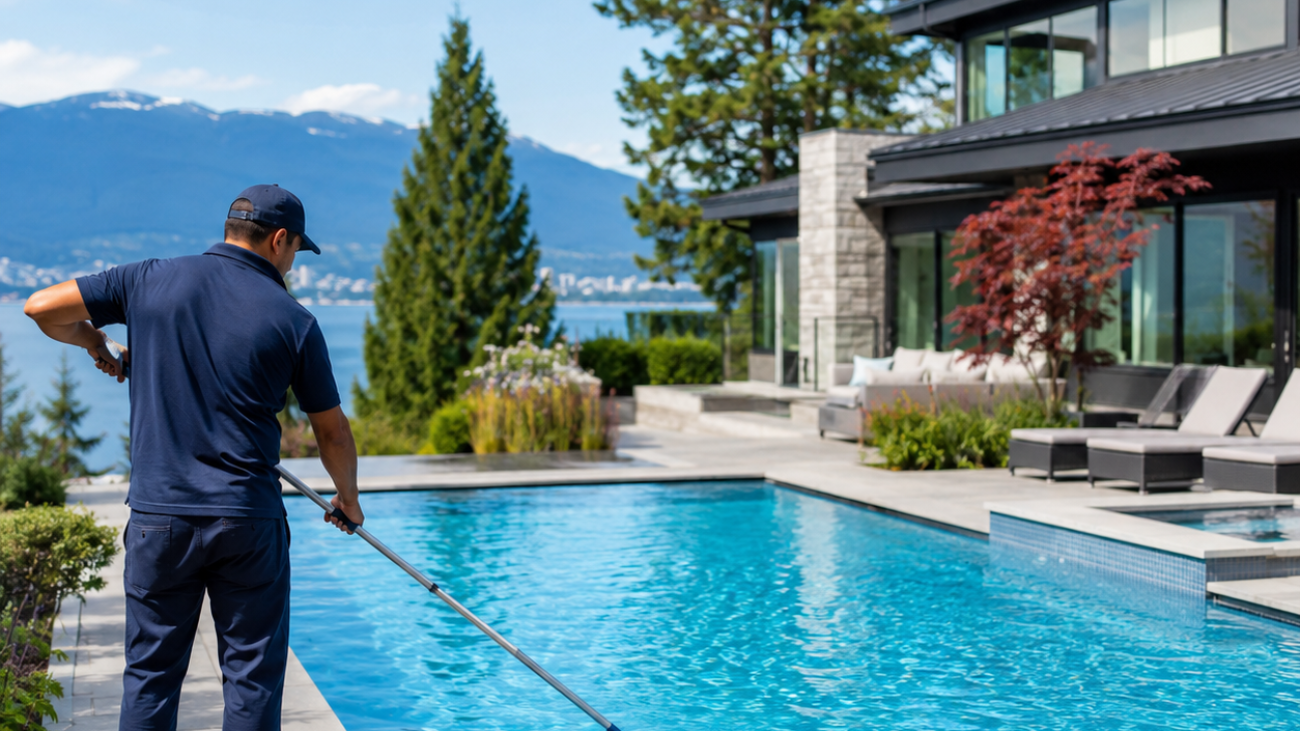
Owning a swimming pool is one of the best ways to enjoy the warmer months in Vancouver, but keeping it clean, clear and operating properly requires more than occasionally adding chlorine or removing leaves from the surface.

Regular pool maintenance in Vancouver helps protect your water quality, equipment and pool surfaces while reducing the risk of unexpected problems during swimming season.

From maintaining proper water chemistry to inspecting pumps, filters and heaters, a consistent maintenance routine can make pool ownership significantly easier.

At Sunrise Pool Maintenance & Repair, we help homeowners keep their pools operating properly so they can spend less time troubleshooting and more time enjoying their backyard.

Why Regular Pool Maintenance Matters

A pool is a complete circulation and water-treatment system. Water continuously passes through pumps, filters, heaters and plumbing while chemicals help maintain safe and comfortable swimming conditions.

When one part of that system is neglected, problems can develop quickly.

Regular maintenance helps:

  • Keep pool water clean and clear
  • Maintain balanced water chemistry
  • Reduce algae growth
  • Protect pool surfaces
  • Improve filtration
  • Reduce unnecessary strain on equipment
  • Identify potential equipment problems earlier
  • Extend the life of pumps, filters, heaters and other components
  • Keep your pool ready for swimming

Preventive maintenance can also help you catch small issues before they turn into expensive repairs.

What Does Professional Pool Maintenance Include?

Every pool is different, but a professional maintenance visit will generally focus on three areas: cleaning, water chemistry and equipment performance.

1. Skimming the Pool Surface

Leaves, insects, pollen and other debris can quickly accumulate on the water.

Removing this debris before it sinks helps keep the pool cleaner and reduces the amount of material entering the filtration system.

This can be particularly important for Vancouver properties surrounded by trees and vegetation.

2. Vacuuming the Pool

Debris that reaches the bottom of the pool needs to be removed before it begins affecting water clarity or encouraging algae growth.

Regular vacuuming keeps the floor clean and helps maintain the appearance of the pool.

3. Brushing Pool Walls and Surfaces

Pool walls, steps and other surfaces can develop algae, scale and buildup over time.

Brushing these areas regularly helps prevent buildup and keeps the pool looking clean.

Special attention may be required around:

  • Steps
  • Corners
  • Ladders
  • Waterlines
  • Behind fixtures
  • Areas with reduced circulation

4. Cleaning Skimmer and Pump Baskets

Your pool’s circulation system relies on unobstructed water flow.

When baskets become filled with leaves or debris, circulation can decrease and the pump may have to work harder.

Regular basket cleaning helps maintain proper system performance.

5. Checking the Pool Filter

Your filter removes small particles and contaminants from the water.

Depending on the system, maintenance may include checking filter pressure, cleaning cartridges or backwashing the filter when required.

A dirty or inefficient filter can contribute to cloudy water and poor circulation.

Understanding Pool Water Chemistry

Water can look clear while still being chemically unbalanced.

Professional pool maintenance involves testing several important water-quality factors and making adjustments when necessary.

Chlorine or Sanitizer

Sanitizer helps control bacteria and other contaminants in pool water.

Levels that are too low can lead to poor water quality and algae growth, while excessive sanitizer can make swimming uncomfortable and may affect pool components.

pH

pH affects swimmer comfort, sanitizer effectiveness and the condition of pool surfaces and equipment.

Maintaining balanced pH is an important part of routine pool care.

Total Alkalinity

Alkalinity helps stabilize pH and reduce sudden fluctuations in water chemistry.

Calcium Hardness

Improper calcium levels may contribute to scaling or potentially affect certain pool surfaces and equipment.

Stabilizer

Outdoor chlorine pools may also require monitoring of stabilizer levels to help chlorine perform effectively in sunlight.

Instead of treating each measurement independently, professional pool care looks at how these factors interact.

Vancouver Weather Can Affect Your Pool

Swimming pools in Metro Vancouver experience changing weather conditions throughout the year.

Rainfall can introduce additional water and debris into a pool, while warmer periods may increase sanitizer demand and encourage algae growth.

Wind can also carry leaves, pollen and other organic material into the water.

That means pool maintenance isn’t necessarily the same every week.

A professional maintenance plan can adjust according to:

  • Weather conditions
  • Pool usage
  • Water temperature
  • Surrounding landscaping
  • Pool size
  • Equipment configuration
  • Chlorine or saltwater system
  • Seasonal conditions

Don’t Forget About Your Pool Equipment

Clean water depends on properly functioning equipment.

During regular maintenance, it’s important to keep an eye on major components including:

Pool Pump

The pump moves water through your filtration and sanitation system.

Changes in noise, pressure or water flow may indicate that the pump requires attention.

Pool Filter

Whether your pool uses a cartridge, sand or another filtration system, proper filter performance is essential for water clarity.

Pool Heater

A heater allows Vancouver homeowners to extend their comfortable swimming season.

Regular observation can help identify ignition problems, flow issues or other signs that service may be required.

Saltwater System

Saltwater pools still require regular maintenance.

Salt cells and related equipment need periodic inspection and cleaning, while water chemistry must continue to be monitored.

Automation Systems

Modern pools may include automated controls for pumps, heaters, lighting, sanitation and other equipment.

These systems should also be checked when something appears inconsistent.

Weekly Pool Maintenance vs. DIY Pool Care

Some homeowners enjoy maintaining their own pools.

Others quickly discover that pool care requires more time and technical knowledge than expected.

DIY maintenance typically requires you to:

  • Test water regularly
  • Purchase and store chemicals
  • Adjust chemical levels
  • Vacuum and brush the pool
  • Clean filters and baskets
  • Monitor circulation
  • Inspect equipment
  • Recognize early signs of equipment problems

Professional pool maintenance removes much of that responsibility.

More importantly, an experienced pool technician may notice developing problems that aren’t obvious to the average homeowner.

Signs Your Pool Needs Professional Attention

Contact a pool professional if you notice:

  • Cloudy water that doesn’t clear
  • Recurring algae
  • Unusual pump noises
  • Weak water circulation
  • Rapidly changing chemical levels
  • Heater problems
  • Filter pressure changes
  • Air bubbles in return lines
  • Water loss
  • Equipment leaks
  • Cracks or damaged fittings

Ignoring these warning signs can allow a relatively minor issue to become more complicated.

Seasonal Pool Maintenance

Pool care also changes throughout the year.

Spring Pool Opening

A proper pool opening may involve:

  • Removing and cleaning the pool cover
  • Reconnecting equipment
  • Inspecting plumbing and fittings
  • Starting the circulation system
  • Cleaning the pool
  • Testing equipment
  • Balancing water chemistry

Opening the pool correctly helps establish a strong starting point for the swimming season.

Summer Maintenance

During the active season, consistent cleaning, water testing and equipment monitoring become especially important.

Pools that receive heavy use may require additional attention.

Fall and Winter Preparation

Pools that will not remain active throughout winter need to be properly prepared for colder conditions.

Professional pool closing and winterization can help protect plumbing and equipment while making the next spring opening easier.

How Often Should a Pool Be Serviced?

For many residential pools during the swimming season, weekly maintenance provides a good balance between water quality, cleanliness and equipment monitoring.

However, the ideal schedule depends on factors such as:

  • Pool size
  • Number of swimmers
  • Surrounding trees
  • Weather
  • Water temperature
  • Pool equipment
  • Sanitization system

Some pools may require more frequent attention during periods of heavy use or unusual weather.

Is Professional Pool Maintenance Worth It?

Professional maintenance isn’t only about having someone clean your pool.

It’s about protecting an investment.

Your pool contains pumps, filters, heaters, plumbing, surfaces and control systems that can represent a significant expense.

Consistent preventive care can help protect these components while giving homeowners confidence that the pool is being properly monitored.

It also gives you something valuable during Vancouver’s relatively short outdoor swimming season: more time to actually enjoy your pool.

Professional Pool Maintenance in Vancouver

A properly maintained pool should be something you enjoy—not another weekly chore.

Sunrise Pool Maintenance & Repair provides professional pool maintenance and service for homeowners looking for reliable, knowledgeable pool care.

Whether you need regular maintenance, seasonal service or help troubleshooting a pool problem, our goal is simple: keep your pool clean, balanced and operating properly.

Need Help With Your Pool?

Contact Sunrise Pool Maintenance & Repair to discuss your pool and request professional service in Vancouver and surrounding communities.

Frequently Asked Questions

How often should I have my pool professionally cleaned?

Many residential pools benefit from weekly service during the active swimming season. The ideal frequency depends on pool usage, surrounding landscaping, weather and the type of equipment installed.

Can I maintain my swimming pool myself?

Yes, but proper pool maintenance requires consistent cleaning, water testing, chemical balancing and equipment monitoring. Many homeowners choose professional maintenance for convenience and preventive equipment care.

Why does my pool keep turning cloudy?

Cloudy water can have several possible causes, including filtration issues, unbalanced water chemistry, insufficient circulation or contaminants. A professional inspection can help determine the cause.

Do saltwater pools require maintenance?

Yes. Saltwater pools still require water testing, cleaning, filtration maintenance and periodic salt-cell inspection.

Does Sunrise Pool provide pool maintenance in Vancouver?

Sunrise Pool Maintenance & Repair provides professional pool maintenance and repair services for customers in the Vancouver area. Contact us to confirm service availability for your property.